Car write-off categories explained: Cat A, B, S and N
In the UK, an insurer that writes off a car records it in one of four categories: Category A (scrap), Category B (break), Category S (structural damage, repairable) and Category N (non-structural damage, repairable). Cat A and Cat B cars can never return to the road. Cat S and Cat N cars can, once they are repaired to a roadworthy condition. The insurer decides whether a car is written off, and pays its market value just before the loss instead of the cost of repairing it.
The four write-off categories
The categories come from the Code of Practice for the Categorisation of Motor Vehicle Salvage, coordinated by the Association of British Insurers (ABI). GOV.UK summarises them as follows:
- Category A (scrap): cannot be repaired. The entire vehicle has to be crushed.
- Category B (break): cannot be repaired. The body shell has to be crushed, but other parts can be salvaged from it.
- Category S (structural): can be repaired following structural damage. The car can be used again once it is repaired to a roadworthy condition.
- Category N (non-structural): can be repaired following non-structural damage. The car can be used again once it is repaired to a roadworthy condition.
What changed in 2017: from Cat C and D to Cat S and N
The current categories came into force on 1 October 2017, ten years after the code was last reviewed. Category S and Category N replaced the old Category C and Category D, while A and B stayed the same.
The change was more than a rename. Cat D used to mean a repairable total loss whose repair costs, including VAT, did not exceed the car’s pre-accident value. Cat S and Cat N instead describe the damage itself: whether the structural frame or chassis was damaged. The ABI said the update reflected how complex modern cars have become and how much harder that makes safe repair, and that the code now focuses on the vehicle’s condition rather than on repair costs. Thatcham Research scrutinised the technical content, and the code set minimum qualification requirements for everyone who categorises salvage.
Old Cat C and Cat D markers still appear on the history of cars written off before October 2017. They are historic labels, not current categories.
Cat S vs Cat N in practice
- Cat S means the car’s structure was damaged: for example, parts of the frame or chassis that had to be realigned to their original dimensions or replaced. It can go back on the road, but structural repairs have to be done properly for the car to be safe.
- Cat N means the car had no damage to its structural frame or chassis, and the insurer decided not to repair it. The damage might be largely cosmetic, but the repair didn’t make financial sense to the insurer.
Both are legal to sell, as long as the seller declares the category.
How an insurer decides a car is a write-off
The decision is the insurer’s. GOV.UK puts it plainly: your insurance company decides whether the vehicle should be written off, and if it is, pays you its current value instead of the cost of repair.
In practice the insurer weighs what the repair would cost against what the car was worth before the damage, and what it could recover by selling the salvage. Repairs that are routine on a new car can be uneconomic on an older one. In one Financial Ombudsman Service case, the insurer said a car was written off because it was uneconomical to repair, with its age, around 20 years, part of that decision.
The category is a separate judgement from the payout. Under the 2017 code, a Cat S or Cat N marker records what was damaged, not how much the repair would have cost.
How the payout is valued
Most UK policies pay the car’s market value: what it would have been worth just before it was damaged or stolen, not the value the policyholder estimated when buying the policy. Insurers and the Financial Ombudsman Service start from the specialist motor valuation guides.
- Where the guides agree and the offer matches them, the Ombudsman will usually side with the insurer.
- Where the guides vary widely, it looks for other evidence, such as adverts for similar cars or an engineer’s opinion. If it finds an offer unfair, it can tell the insurer to pay the highest guide value or a figure supported by other evidence.
- If you keep the car, the insurer can deduct what it would have earned from selling the salvage, but it has to show evidence of that amount.
- If the car was written off before, its value can be lower, because buyers are put off even after good repairs. In recent Ombudsman decisions, deductions of 10% and 20% for a previous write-off were found fair. If the owner couldn’t reasonably have known about the history, the Ombudsman is likely to direct the full market value.
Keeping or buying a Cat S or Cat N car
If your car is a Cat S or Cat N write-off, the insurer can pay you out and sell the car back to you. What happens to the log book (V5C) depends on the category:
- Cat N: you can keep the log book if you keep the car.
- Cat S: send the complete log book to your insurer and apply for a free duplicate with form V62. DVLA records the category in the log book.
- All categories: tell DVLA the vehicle has been written off. You can be fined £1,000 if you don’t.
If you’re buying a used car, a vehicle history check against the Motor Insurer Anti-Fraud and Theft Register (MIAFTR) will show whether it has a write-off marker and which category.
Where AI damage assessment fits in
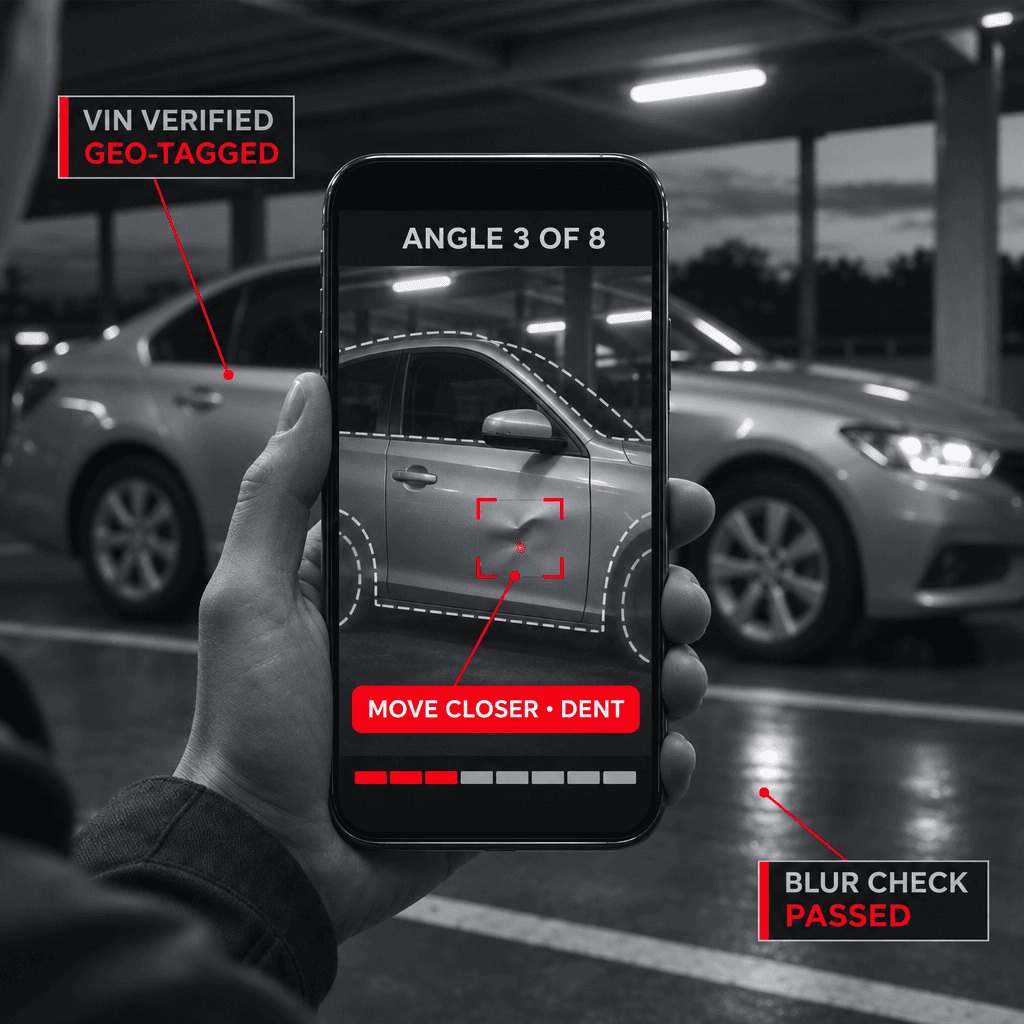
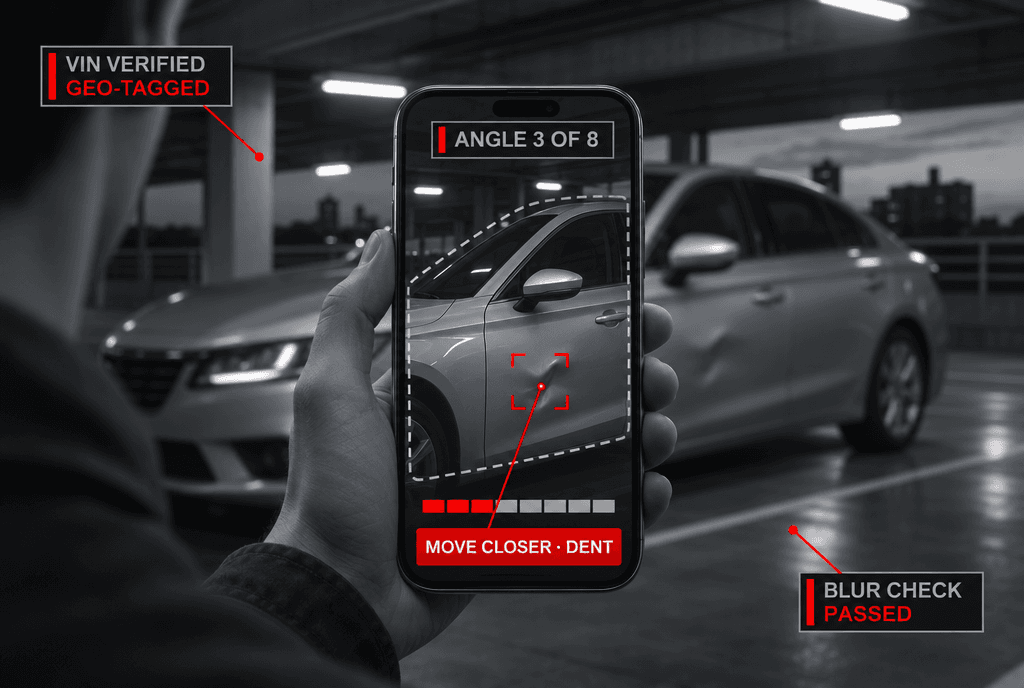
Every write-off decision starts with the same question: what exactly is damaged, and how badly? Traditionally an engineer answers that at an inspection, days after the claim is reported. Photo-based AI damage assessment can answer much of it at first notice of loss, from pictures the driver takes on a phone.
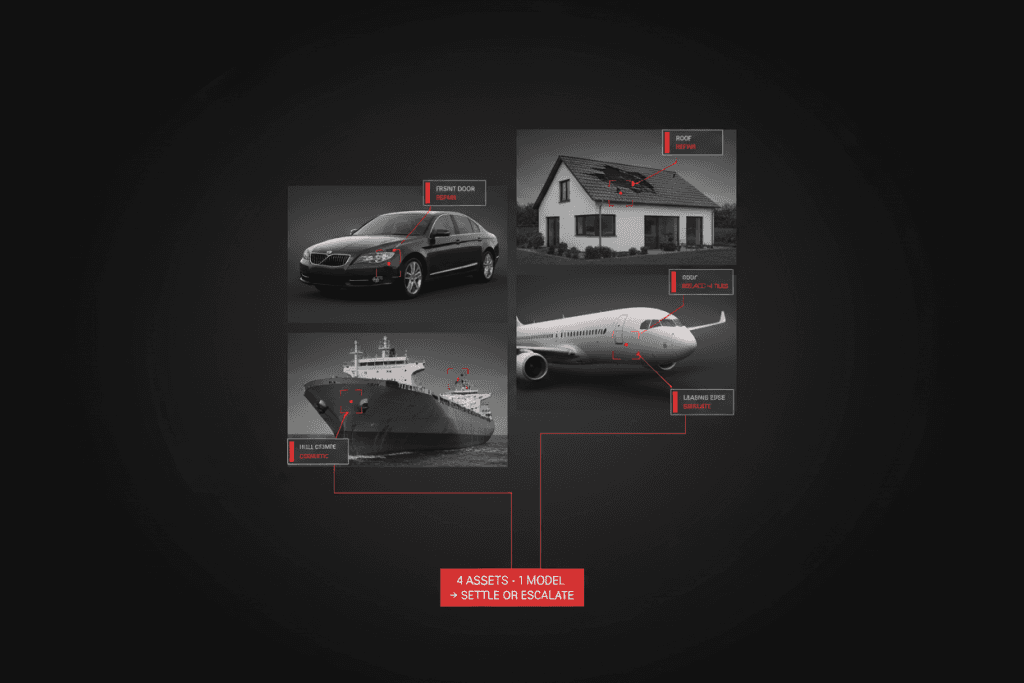
Vernier by CamCom identifies damaged parts, rates severity and supports the repair-or-replace call part by part. At Zurich in Indonesia it runs part-level assessment with automatic costing. At HDFC ERGO in India, inspections that took 8 hours now take 5 minutes. For a claims team, that means a likely total loss can be flagged and routed on day one, instead of waiting for an inspection to confirm it.
The categorisation itself stays with people. The ABI code sets minimum qualifications for anyone who categorises salvage, and the call between structural and non-structural damage is theirs to make. AI gives them the evidence sooner. See AI damage assessment for insurers for how Vernier works.
Related reading: Claims automation: what can be automated today · Can AI damage assessment replace insurance surveyors? · AI in insurance
Common questions
What do Cat S and Cat N mean?
Both are repairable write-offs. Cat S means the car’s structural frame or chassis was damaged. Cat N means it wasn’t, and the insurer decided not to repair the car. Both can return to the road once repaired to a roadworthy condition.
Can you drive a Cat S car?
Yes, once it has been repaired to a roadworthy condition. The category stays on the car’s record, and DVLA records it in the log book.
What happened to Cat C and Cat D?
They were replaced on 1 October 2017 by Cat S and Cat N. The old categories were based on repair costs; the new ones are based on whether the damage was structural.
Can Cat A or Cat B cars go back on the road?
No. A Cat A car must be crushed entirely. A Cat B car’s body shell must be crushed, though other parts can be salvaged.
How much will my insurer pay if my car is written off?
Usually the car’s market value just before the damage, based on the motor valuation guides, minus any excess, and minus the salvage value if you keep the car.
Sources: GOV.UK, Scrapped and written-off vehicles: insurance write-offs. Association of British Insurers, Salvage code updated, June 2017. Copart UK, Introducing Category N (quoting the Code of Practice definitions), 2017. Financial Ombudsman Service, Vehicle valuations and write-offs, and decisions DRN-5738502, DRN-5928682 and DRN-4841911. The Motor Ombudsman, guide to write-off categories. CamCom case studies: Zurich Indonesia and HDFC ERGO.